What European River Cruise Travelers Need to Know Right Now

Enter the Current Dream Vacation Giveaway
Someone has to win—why not you? View the current giveaway and enter for your chance to win.
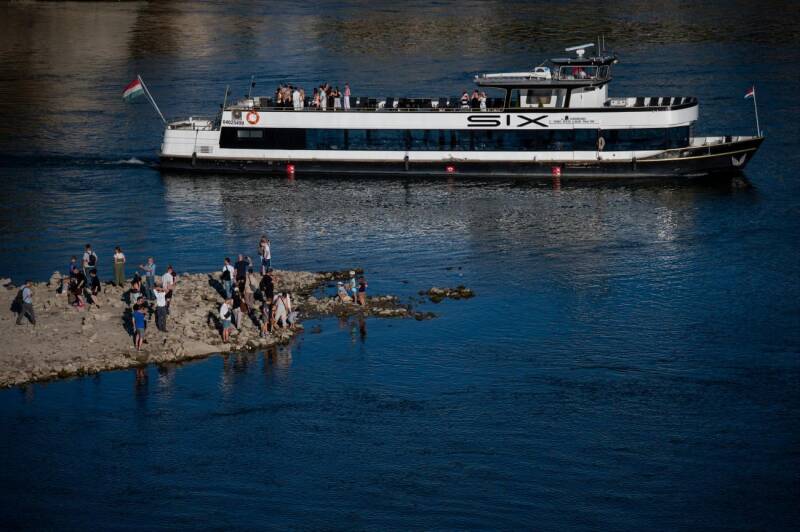
Extremely low water on the Danube exposed normally submerged rocks and riverbank in Budapest in October 2018. Although this photograph is from an earlier low-water event, it illustrates the type of conditions that can interfere with river navigation. Photo: Vauia Rex / Wikimedia Commons, CC BY-SA 4.0
European river cruising is still operating this summer—but 2026 has become a difficult year on several of Europe's major waterways.
Exceptionally low water levels are affecting portions of the Danube, Rhine and Main Rivers, forcing some river cruise lines to modify itineraries, change docking locations, transfer passengers by motorcoach, switch guests between ships and, in a smaller number of cases, cancel departures altogether. Viking, AmaWaterways, Uniworld, Scenic and Emerald are all currently acknowledging low-water-related operational changes.
That does not mean European river cruising has shut down, nor does it mean every Danube cruise is going to be disrupted. It does mean that travelers sailing this summer need to understand something that is sometimes overlooked when booking a river cruise:
Unlike an ocean cruise, a river cruise is completely dependent on the navigability of a relatively narrow river.
And right now, some stretches of those rivers are exceptionally shallow.
What Is Happening on the Danube?
The problem is an extended period of unusually hot, dry weather and limited rainfall across much of Europe. By July, water levels on sections of the Danube had fallen dramatically. Reuters reported that near-record low water disrupted tourism around Budapest, with some cruise vessels unable to continue through affected portions of the river. In Romania, Danube levels fell to their lowest point since 1996.
Conditions have become particularly striking on the lower Danube. In early August, record-low water near Serbia exposed German warships that had been deliberately sunk during World War II. AP reported that river traffic near the Serbia-Romania border had become severely restricted.
There are also problems farther upstream. Scenic and Emerald currently identify low-water trouble spots on the Upper Danube between Regensburg and Passau near Pfelling, around Dürnstein and Melk, and between Vienna and Budapest.
The Danube isn't the only problem. As of August 9, the Rhine is facing an especially serious navigation issue near Kaub, Germany, one of its important shallow points. German shipping officials warned that continued falling levels could make that section unusable not only for commercial freight but also for cruise traffic.
So this is a broader European river issue—not simply a problem in Budapest.
Why Can't a River Cruise Ship Just Keep Going?
River cruise ships are specifically designed for shallow water, but there is still a minimum amount of water needed beneath the hull.
And the number you may see reported at a river gauge does not mean the river is literally only that many inches or centimeters deep. Gauge readings are measurements relative to a reference point used by navigation authorities. What matters to a ship's captain is the actual navigable depth, the ship's draft, current conditions and the safety margin beneath the vessel.
Once that margin becomes too small, continuing is simply not an acceptable option.
Cruise lines therefore have to choose between stopping, changing the itinerary—or finding a way around the shallow section.
The Most Interesting Solution: The “Ship Swap”
One of the cleverest workarounds is a ship swap.
Viking operates identical sister ships on opposite sides of certain river sections. If one part of the river becomes impassable, passengers can leave one ship, travel around the shallow section on land and board an identical sister ship coming from the opposite direction. Viking says guests can even be placed in the same stateroom number, with their luggage transferred for them.
AmaWaterways uses a similar strategy. The company says passengers may leave one ship during a scheduled sightseeing day while their luggage is moved to a sister ship waiting beyond the affected portion of the river. Ama is also using rerouting, additional city stays and motorcoach transportation when necessary.
It is a remarkable logistical operation—and in a successful ship swap, a guest might experience surprisingly little inconvenience.
But not every cruise line has a conveniently positioned sister ship, and not every section of river lends itself to a swap.
When a River Cruise Becomes Part Cruise and Part Motorcoach Tour
This is where expectations become important.
AmaWaterways' current August advisory says modifications can include changes to ports, embarkation or disembarkation locations, motorcoach transfers and changes in ship scheduling.
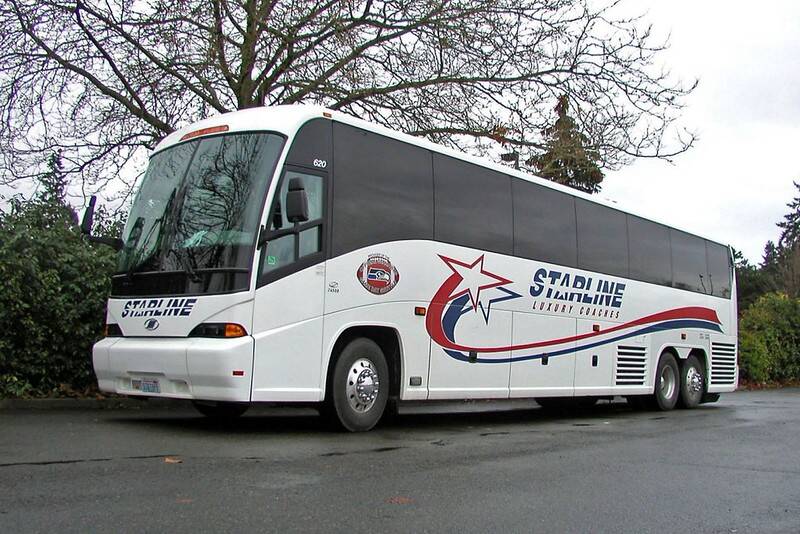
Uniworld says its alternatives can include a different ship, alternate embarkation points, hotel stays and motorcoach transportation. It also emphasizes that water conditions can change within days, which is why final decisions are sometimes made very close to departure.
Scenic and Emerald are doing much the same thing: alternative ships, revised embarkation and disembarkation points, hotel overnights and coaches around unnavigable sections.
In other words, your seven-night river cruise might still operate, but all seven nights may not necessarily unfold exactly as described in the original brochure.
You could spend an unexpected night in a hotel. A destination that normally would have been reached by ship might instead involve a bus ride. One port could be replaced by another. Or you could pack up one ship in the morning and find your luggage waiting aboard another that afternoon.
That is very different from having the vacation canceled—but it is also different from the river cruise originally purchased.
What About Travelers With Mobility Issues?
This is an especially important question that isn't getting enough attention.
A ship swap or additional coach ride might be a relatively minor inconvenience for one traveler and a significant issue for another.
Someone who booked a river cruise partly because it minimizes packing, unpacking, long bus rides and repeated hotel changes should ask specifically how a low-water contingency would affect them. Travelers who use wheelchairs, walkers or scooters—or who simply have difficulty with stairs, long walks or extended motorcoach rides—should make sure the cruise line knows about those needs before departure.
Even AmaWaterways' passenger contract specifically notes that accessible facilities may not be available everywhere visited and asks passengers who require accommodation to advise the line in advance.
Low-water conditions make that conversation even more important.
Will the Cruise Line Compensate You?
This is where travelers need to be particularly careful.
There is no industry-wide compensation rule for low water.
More importantly, there is a big difference between a cruise being canceled and a cruise being operated with substantial changes.
Here is what several major river cruise lines are publicly saying as of August 9, 2026:
Viking
What Viking is doing:
Viking is modifying selected itineraries and, where possible, using identical sister ships positioned on opposite sides of an affected section of river.
What travelers should know about compensation:
Viking’s current low-water advisory does not publish a blanket automatic cash-refund or compensation schedule for cruises that continue operating with itinerary modifications.
AmaWaterways
What AmaWaterways is doing:
AmaWaterways is changing ports, embarkation points and schedules when necessary. It is also using motorcoaches, rerouting and sister-ship swaps to keep itineraries operating.
AmaWaterways has said it has been able to avoid canceling departures because of this summer’s water conditions by using these alternatives.
What travelers should know about compensation:
AmaWaterways’ U.S. passenger contract allows the company to make itinerary and transportation changes because of high or low water without automatically providing a refund.
If AmaWaterways cancels a cruise before departure, its contract provides for a refund of the amount received.
If a cruise is shortened or terminated after it has begun, AmaWaterways may provide a proportional refund or alternative transportation, depending on the circumstances.
Uniworld
What Uniworld is doing:
Uniworld may use alternative ships, different embarkation locations, hotel stays and motorcoach transportation when river conditions prevent the original itinerary from operating as planned.
What travelers should know about compensation:
Uniworld’s current low-water information does not announce a universal automatic compensation amount for itinerary changes.
Compensation or other arrangements may vary depending on the individual sailing and the extent of the disruption.
Avalon Waterways
What Avalon is doing:
Avalon publicly reported canceling select departures because of low water.
For other affected sailings, Avalon may modify operations depending on river conditions.
What travelers should know about compensation:
Avalon says affected guests and their travel advisors are being contacted to review their available options.
Its public update does not provide one universal compensation formula that applies to every low-water disruption or affected booking.
Scenic & Emerald
What Scenic and Emerald are doing:
Scenic and Emerald may use alternative ships, hotel stays, motorcoach transfers and different embarkation or disembarkation locations when low water prevents normal navigation.
What travelers should know about compensation:
Their current travel alerts explain the operational alternatives being used, but they do not promise a fixed automatic cash payment simply because an itinerary is changed.
Any compensation or other arrangements may depend on the specific sailing and the severity of the disruption.
Riviera Travel
What Riviera Travel is doing:
Riviera may use delayed departures, motorcoach excursions, itinerary adjustments and ship swaps to work around low-water conditions.
What travelers should know about compensation:
Riviera is more specific than many competitors because it publishes a European River Cruise Assurance.
Under that program, significant disruption beyond its stated workaround measures can result in automatic compensation for each complete 24-hour period affected.
If a cruise must end early, Riviera says it will provide a pro-rata refund for complete days lost.
If Riviera determines before departure that no suitable alternative is available and cancels the vacation, it says the vacation cost will be refunded.
The Important Takeaway
A missed port does not automatically mean a refund.
A motorcoach ride instead of sailing does not automatically mean compensation.
A ship swap does not automatically qualify a traveler for a cash payment.
Cruise lines may provide hotel accommodations, meals, future cruise credits, onboard credits, refunds or other goodwill compensation depending on the circumstances, but travelers should not assume any particular benefit unless it is specifically provided for in the cruise line’s published terms or communicated for that particular sailing.
That is why travelers should ask not only, “Will my cruise still operate?” but also:
“If my cruise operates with major changes, what does this cruise line promise me?”
That distinction is worth remembering.
A missed port does not automatically equal a refund. A bus ride instead of a day of cruising does not automatically equal a refund. And a ship swap does not automatically equal compensation.
A cruise line may voluntarily offer onboard credit, future-cruise credit, meals, hotel accommodations or another goodwill payment depending on the circumstances. But unless the cruise line's contract or published assurance specifically promises it, travelers should not assume a particular payment will be made.
Policies can also vary according to the country in which the trip was purchased, the individual booking terms and whether the traveler purchased a cruise-only product or a broader package.
Should You Cancel a Danube Cruise Right Now?
For most travelers, I would not make a voluntary cancellation solely because you have seen stories about low water.
River levels can change surprisingly quickly. Several cruise lines specifically say they cannot make reliable final operating decisions weeks in advance. Uniworld, for example, says it is reviewing August departures individually and that September and October are still too far away to judge reliably.
Canceling on your own can also be very different financially from waiting for a cruise line to cancel or materially change your sailing. Normal cancellation penalties may still apply to a voluntary cancellation.
What I would do is go into the trip with realistic expectations and ask the right questions before leaving:
- Ask whether your specific sailing—not simply your river—is currently affected. A problem near Budapest doesn't necessarily mean a ship sailing several hundred miles away cannot operate.
- Ask what the cruise line's contingency plan is. Specifically ask about ship swaps, hotel nights and the maximum likely motorcoach time.
- If mobility is a concern, say so before departure. A changed itinerary can involve more walking, stairs, buses and luggage transfers than the original plan.
- Read the actual cancellation and itinerary-change terms. Don't rely solely on comments in Facebook groups or on what happened to someone aboard a different sailing.
- Review your travel-protection policy before assuming it will pay. Trip-cancellation insurance and trip-interruption coverage have specific covered reasons; an altered itinerary by itself may not qualify.
Is a European River Cruise Still Worth Booking?
Yes—but this summer is a reminder that choosing a river cruise involves choosing both an itinerary and the company operating it.
During normal conditions, two cruise lines may look very similar. During difficult river conditions, fleet size, ship design, the availability of sister ships, docking arrangements, local operations staff and the company's written disruption policy suddenly become much more important.
That's one reason I don't think the correct lesson from the summer of 2026 is “Don't take a Danube cruise.”
The better lesson is:
Know what happens when the Danube doesn't cooperate.
Some cruise lines have enough ships to move passengers around an obstruction almost seamlessly. Others may substitute a motorcoach-and-hotel experience. Some have a clearly defined compensation program. Others reserve considerable flexibility to change the itinerary without an automatic refund.
Those differences are worth understanding before deciding which river cruise to book.
The Bottom Line
The 2026 European river cruise season is experiencing real disruption. The Danube is extraordinarily low in several regions, parts of the Rhine and Main are also affected, and some scheduled cruises have been changed or canceled.
But thousands of travelers are also continuing to cruise Europe's rivers. The industry has become remarkably good at adapting through sister-ship swaps, alternative docking locations, coaches, hotels and revised itineraries. Viking, AmaWaterways and Uniworld all report strategies specifically designed to keep guests traveling rather than simply canceling every time a shallow stretch becomes temporarily impassable.
The key is understanding that, during an extreme low-water year, the vacation may remain excellent even though it may not be exactly the vacation shown in the brochure.
And if spending several thousand dollars on a European river cruise, understanding the cruise line's backup plan—and its compensation policy—before booking is every bit as important as choosing your cabin.
Planning a European River Cruise?
If you're considering a Danube, Rhine or other European river cruise—or you're already booked and concerned about current river conditions—I can help you compare not only itineraries and ships, but also how the different cruise lines handle situations like these.
Plan your trip with me at SignatureCruiseTravel.com
Sources consulted for this August 9, 2026 report:
Reuters — Budapest low-water disruption: https://www.reuters.com/world/near-record-low-water-levels-disrupt-tourism-danube-2026-07-16/
Reuters — Romania’s lowest Danube level since 1996: https://www.reuters.com/business/environment/danube-water-levels-reach-lowest-30-years-hampering-farming-shipping-2026-07-20/
Associated Press — WWII ships exposed near Serbia: https://apnews.com/article/7f938261b92ebbc88330d5f1b892fb2e
AmaWaterways — Low-water operating strategy: https://www.amawaterways.com/stories/despite-historically-low-water-amawaterways-keeps-your-journey-moving/159
AmaWaterways — August 3 travel advisory: https://www.amawaterways.com/travel-updates
Avalon Waterways — Danube Dreams itinerary notice: https://www.avalonwaterways.com/river-cruise/danube-dreams-eastbound/wdb/
River conditions and cruise-line policies can change quickly. Information in this article was researched and current as of August 9, 2026. Always verify the status of your specific departure before traveling.
Add comment
Comments